

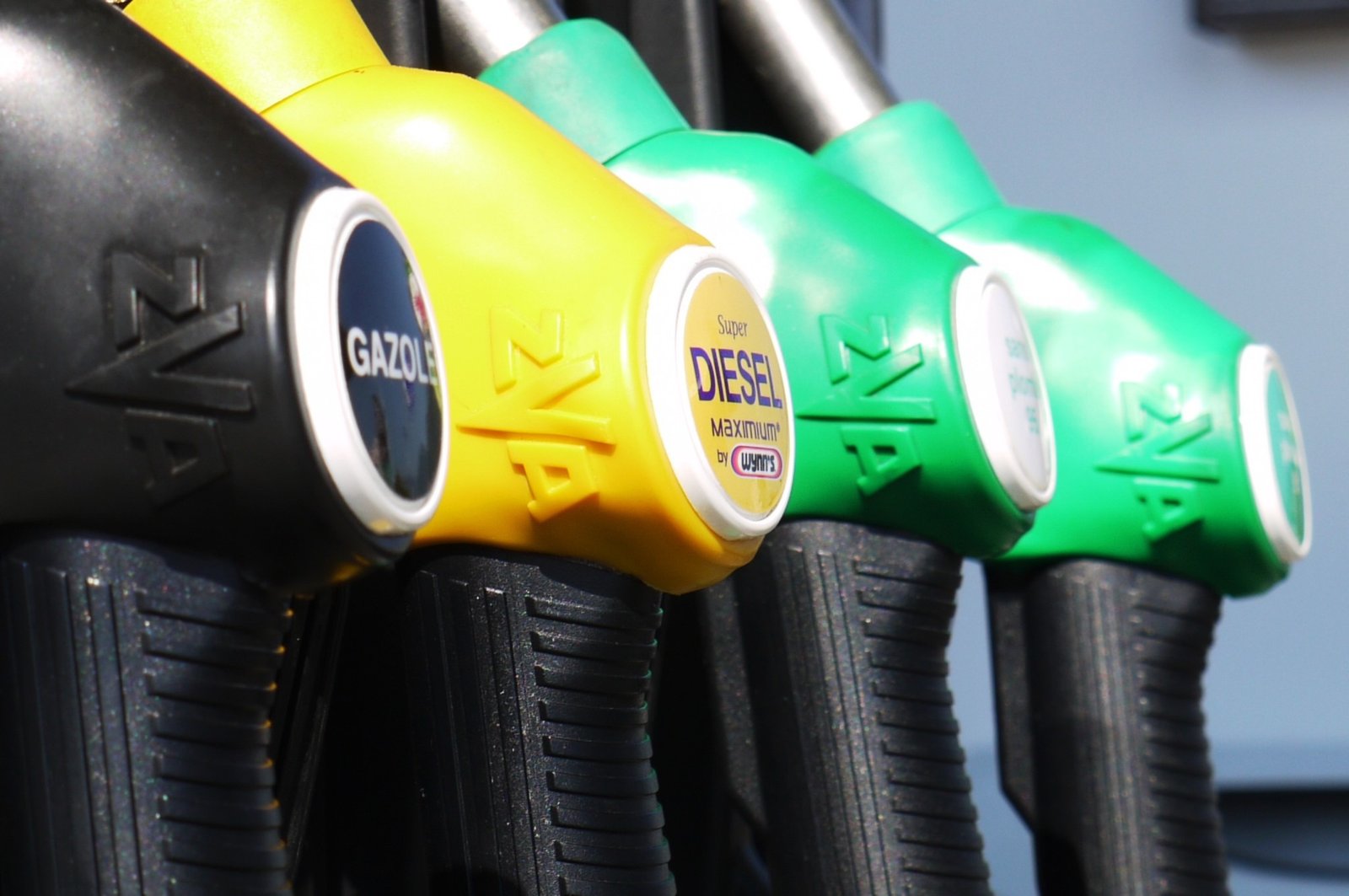
Rising energy and fertiliser prices, expensive borrowing and heavy debt repayments are increasing pressure on developing economies, prompting renewed discussions over emergency financial support.
BANGKOK | 11 October 2026
The World Bank is in discussions with between 30 and 40 countries about potential crisis assistance as the economic effects of the Middle East conflict compound existing financial pressures, the institution’s president, Ajay Banga, told Reuters.
The discussions come ahead of the annual meetings of the International Monetary Fund and World Bank in Bangkok, where officials are expected to consider the implications of energy-market disruption, high interest rates and mounting public debt.
Developing economies are particularly exposed because many entered the current crisis with limited fiscal room after years of pandemic-related spending, inflation and higher borrowing costs.
Energy prices create a wider economic burden
Higher diesel prices can increase the cost of transporting goods, operating machinery and delivering essential services. More expensive fertiliser can raise costs for farmers, potentially affecting food production and consumer prices.
When these pressures coincide with high interest rates, governments may find it more difficult to support households and businesses without increasing borrowing or reducing spending elsewhere.
The impact is not uniform. Countries with stronger financial reserves or more diversified energy supplies may have greater capacity to absorb the shock than economies that rely heavily on imported fuel and external financing.
Debt limits the room for manoeuvre
According to figures cited by Reuters from the World Bank, developing countries owe external creditors approximately $400 billion in 2026, with interest payments accounting for around one-third of that amount.
Debt servicing can restrict the resources available for infrastructure, healthcare, education and other public services.
The challenge is particularly acute where governments must refinance existing obligations at higher interest rates while responding to rising costs for essential imports.
What assistance is available?
Banga said the World Bank had initially made $25 billion in crisis funding available following the outbreak of the war. Countries could potentially access additional resources by redirecting funding from previously approved projects.
He also indicated that the Bank could make as much as $100 billion available if conditions deteriorated, although this should not be interpreted as a confirmed new allocation to individual countries.
The institution is also exploring ways to attract private investment and restructure debt obligations, including arrangements that could free up resources for development priorities.
Such measures may provide relief, but their effectiveness will depend on the terms of the financing, the scale of countries’ needs and the duration of the economic shock.
The policy dilemma
International financial institutions face a difficult balance between providing timely support and ensuring that assistance contributes to sustainable public finances.
For borrowing countries, the central question is whether emergency financing can protect essential services and economic activity without creating further debt vulnerabilities.
For investors and businesses, the outcome could influence infrastructure spending, market confidence and the prospects for growth across emerging economies.
The coming discussions will test whether international financial support can respond quickly enough to a crisis that links energy security, climate risks and public debt in an increasingly interconnected global economy.