

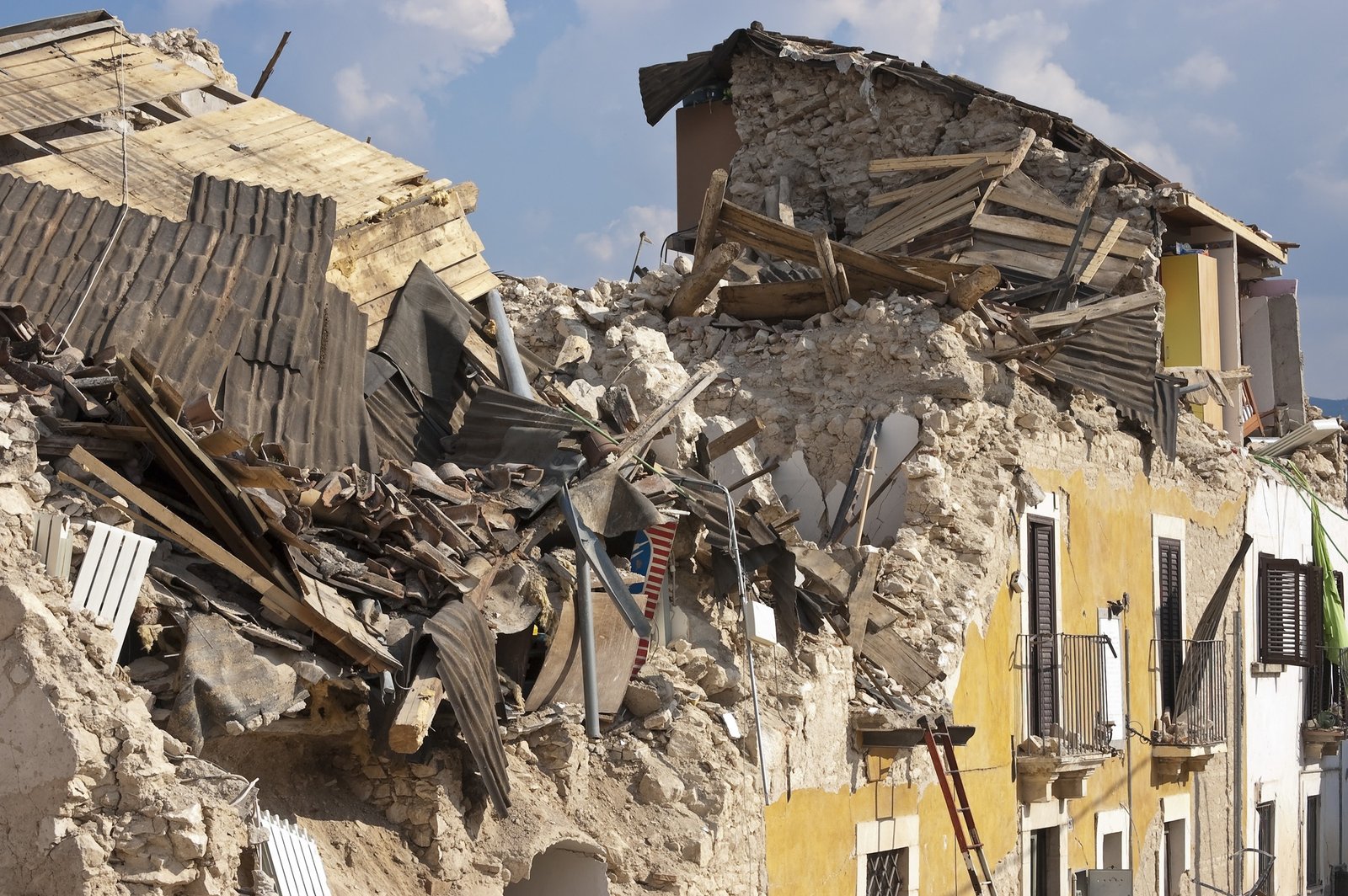
A magnitude 7.7 earthquake shook southern Panama on Friday, 9 October, damaging buildings and prompting evacuations, while key transport and industrial operations continued.
PANAMA CITY | 9 October 2026

A powerful earthquake struck southern Panama on Friday, sending residents and office workers into the streets and damaging buildings, in a reminder of the risks posed by major seismic events to communities and critical infrastructure.
The United States Geological Survey recorded the earthquake at magnitude 7.7, with its epicentre in a sparsely populated area approximately 200 kilometres from Panama City. The tremor occurred at a depth of around 12.6 kilometres.
More than 40 aftershocks were reported in the hours following the initial quake. Buildings were damaged in parts of the country, including the city of Penonomé, where some structures collapsed and a church sustained damage.
Despite the strength of the earthquake, initial reports indicated no deaths or injuries. Authorities and emergency services continued to assess the situation as the country responded to the disruption.
Critical infrastructure remains operational
The earthquake raised immediate concerns about the potential impact on Panama’s transport links and industrial facilities.
The Panama Canal and the Cobre Panama copper mine reported normal operations following the tremor, while Tocumen International Airport resumed flights after a temporary suspension.
The continued operation of these facilities was significant for a country whose strategic position makes it an important link in international shipping and regional commerce.
However, the absence of widespread initial damage does not eliminate the need for continued inspections, particularly where aftershocks could pose further risks to buildings and infrastructure.
The wider significance
Panama’s experience highlights a central challenge in disaster preparedness: the scale of an earthquake alone does not determine its human cost.
Population density, building standards, emergency response capacity and the location of critical infrastructure all influence the consequences of a seismic event.
The immediate priority remains establishing the full extent of the damage, ensuring affected communities receive assistance and confirming that essential services can continue operating safely.
The key question now is whether the initial assessment will hold as inspections continue and the country evaluates the earthquake’s longer-term consequences.