

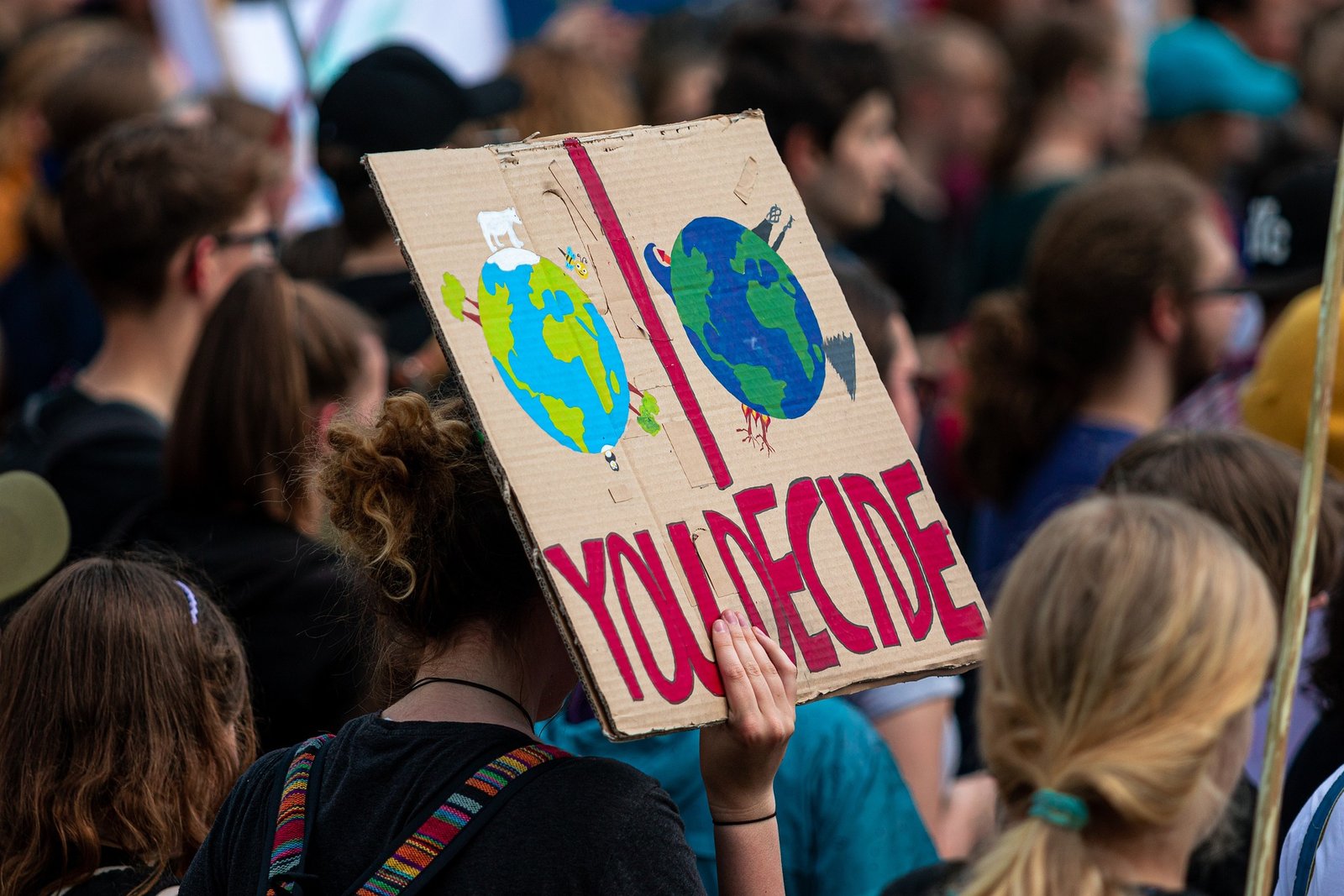
Recent party conference debates have exposed competing approaches to low-carbon housing, nuclear energy and environmental regulation, placing long-term household costs at the centre of the political discussion.
LONDON | 11 October 2026
Britain’s climate policy debate is entering a new phase as political parties reconsider how environmental commitments should be balanced against housing affordability, energy security and economic growth.
Developments during the 2026 party conference season have highlighted differences over the standards expected of new homes, the future role of nuclear power and the pace of the country’s transition towards lower-carbon energy.
The debate is significant because decisions taken now could affect household energy bills, construction costs and investment in the UK’s energy infrastructure for years to come.
Housing standards become a political dividing line
Conservative leadership contender Kemi Badenoch has proposed scrapping the Future Homes Standard, which is intended to improve the energy efficiency and environmental performance of new housing.
The proposal has prompted debate about whether removing requirements for technologies such as solar panels, heat pumps and improved insulation would reduce upfront building costs or leave households facing higher energy bills over time.
Industry representatives have argued that changing direction could also create uncertainty for builders and suppliers that have already invested in preparing for the standards.
The issue illustrates a broader political tension: the immediate cost of building homes must be weighed against the longer-term cost of heating and maintaining them.
Nuclear power reshapes the energy debate
The Green Party’s decision to abandon its longstanding opposition to nuclear power marks another shift in the national discussion.
The party continues to prioritise renewable energy but has opened the door to supporting new nuclear reactors as part of a low-carbon electricity system.
The change reflects a wider question confronting policymakers: how should countries combine renewables, nuclear generation, storage and grid investment to deliver reliable energy while meeting climate objectives?
Different approaches carry different costs, construction timelines and infrastructure requirements. Their consequences will depend partly on how policies are implemented and financed.
The challenge for government
Labour has also outlined proposals related to energy-grid investment and environmental initiatives, although questions remain over the pace and scale of implementation.
For voters, the debate is not simply about emissions targets. It concerns the affordability of homes, the reliability of electricity supplies, employment, public spending and the long-term resilience of the economy.
For businesses, the consistency of government policy matters because investment decisions in housing, energy and manufacturing often extend across many years.
What comes next?
The political contest over climate policy is likely to turn increasingly on measurable outcomes: household costs, construction rates, energy reliability and progress towards environmental targets.
The central challenge for policymakers is to explain not only what their proposals will cost today, but also what they are expected to deliver over time.
Britain’s climate debate is ultimately becoming a debate about economic priorities, public accountability and the distribution of costs between present and future generations.